
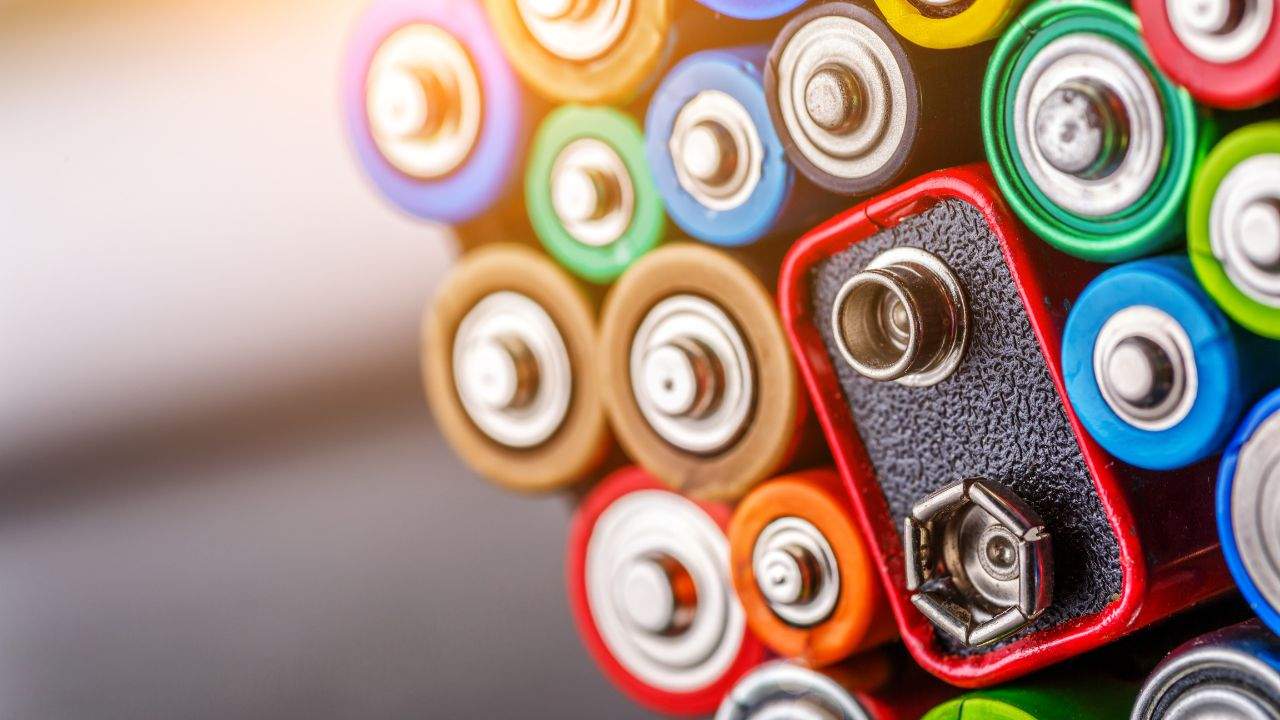
We have become aware of an increase in the number of small fires caused by lithium-ion batteries, following reports from local waste management companies in Bristol.
These incidents can happen when batteries or electrical items are not disposed of properly and damaged during collection and processing.
According to recent reporting by The Guardian, UK firefighters are now being called to one lithium-ion battery fire every five hours, highlighting the importance of disposing of batteries and electrical items safely.
We wanted to take some time provide you with information on the safest ways to get rid of batteries and old electrical items.
The key point is simple: batteries and electrical appliances (including vapes) should never be thrown away in general waste.
How to dispose of batteries and electrical items
Items with batteries or electrical components can be easily damaged and this can lead to a serious fire risk in bins, collection vehicles and at waste facilities.
To help reduce this risk these items must always be disposed of properly in the following ways:
Disposing of batteries
- Bristol and South Gloucestershire councils state that if you have kerbside recycling collections you can place batteries in a clear plastic bag and put this bag in your recycling box.
- You can take your batteries to your local household refuse and recycling centre.
- Many supermarkets have drop-off points for flat batteries. Check your nearest battery recycling drop off point here.
Disposing of small electrical items
- If you have kerbside recycling collections, Bristol and South Gloucestershire council will collect a variety of small electrical items from your recycling box. While South Glos doesn’t specify which items can be collected, you can find a list of items that Bristol Council can and cannot collect on their website.
- You can take small electrical items to your local household and refuse recycling centre.
Disposing of vapes and e-cigarettes
- In the UK, retailers selling vapes and e-cigarettes must offer a free take back-scheme. Simply drop your old device at your local store.
- Both Bristol and South Gloucestershire councils will collect vapes with your kerbside recycling collection. Pop them in a plastic bag and put the bag in your recycling box on collection day.
- Vapes and e-cigarettes can also be taken to your local household and refuse recycling centre.
Please check your local council’s website for up-to-date information on what can be included in your kerbside recycling collections.
How small disposal habits can improve safety
“The risk can still be there after they’ve been used, even with regular household batteries,” explains Harry Ford, Head of Electrical, Fire and Security, BNS.
“Even common household batteries such as AA and AAA can retain a small charge after use and should not be disposed of with general waste.
“A simple but effective step is to tape both ends of the battery prior to disposal to help reduce the risk of fire.
“Batteries should never go in general bins, they should be recycled and many supermarkets and local recycling centres have dedicated collection facilities.”
These simple precautions can make a big difference in reducing fire risk that can be avoided.
BNS and responsible waste management
Here at BNS, we have a license to carry waste, and we make sure all business waste goes through the right, regulated channels. This keeps us in line with the regulations and ensures the waste is handled safely from when we pick it up until it’s gone.
However, battery fires can begin right where they’re thrown away. Sorting and disposing of these things properly and taking a few easy steps can significantly lower these risks.
If we just make a few small changes in how we get rid of batteries and other electrical items, we can help stop problems that don’t need to happen and make things safer for both residents and waste disposal workers.